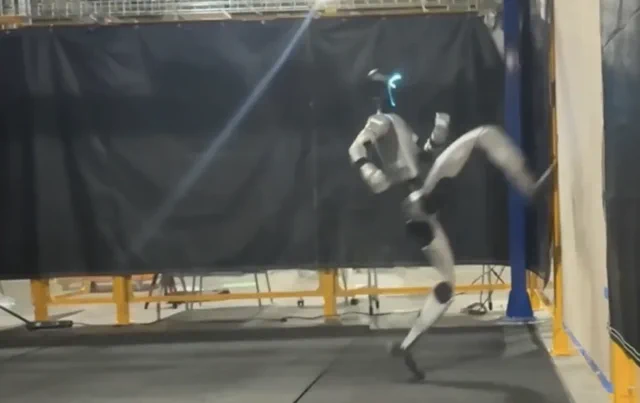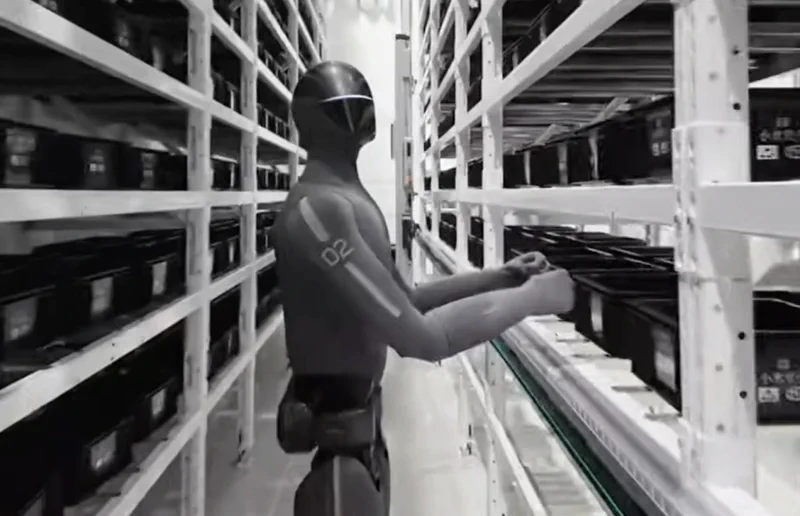
Remember the Xiaomi CyberOne? When it first shambled onto the stage a few years back, it handed its CEO a flower and generally looked like it was one loose carpet tile away from a disaster. It was a charming, if slightly uncoordinated, first attempt. We even dubbed it Xiaomi CyberOne: The ghost of a Tesla-beating robot . However, it seems CyberOne has been putting in the hard yards away from the limelight, because it’s back with a complete physical overhaul and a standout new feature: hands that actually sweat.
That isn’t a punchline. In a significant update, Xiaomi has unveiled a new bionic hand for its humanoid that solves one of the most stubborn headaches in robotics: heat. By plumbing in a liquid cooling system that acts as “bionic sweat glands,” CyberOne can now tackle gruelling tasks for hours on end without its high-performance motors overheating and grinding to a halt. It appears the future of automated labour won’t just be tireless; it’ll be a bit damp.
The Hand That Sweats
The fundamental challenge in building powerful, compact robotic hands is the same one that plagues your smartphone: thermal management. The tiny, high-density 100W motors needed for human-like dexterity kick out a staggering 30W of heat. Cram them into a hand-sized enclosure and you’ve essentially built a very expensive hand warmer that throttles its own performance within minutes.
Xiaomi’s fix is as clever as it is biologically inspired. They have integrated 3D-printed metal liquid cooling channels directly into the hand’s internal structure. This system evaporates 0.5 ml of water per minute, providing a steady 10W of active cooling. It’s a brilliant bit of engineering that prevents thermal throttling during the long, high-load shifts expected on a factory floor. While your laptop fan whirrs away in protest, CyberOne simply sweats out the pressure.
More Than Just a Clever Gimmick
This “sweaty” innovation has paved the way for several other radical improvements. The entire hand assembly has been miniaturised by 60% to achieve a perfect 1:1 scale with a 5ft 8in human male’s hand—a vital step for simplifying “sim-to-real” data transfer. It’s not just smaller, though; it’s significantly smarter and tougher.
The new setup boasts an 83% increase in active degrees of freedom (DOF), bringing it remarkably close to the 22–27 DOFs found in a biological human hand. This isn’t just for show, either. The hardware has been put through its paces, enduring over 150,000 grasping cycles—comfortably outlasting the 10,000-cycle failure point common in many tendon-driven designs. This is proper industrial reliability, not just a lab prototype.
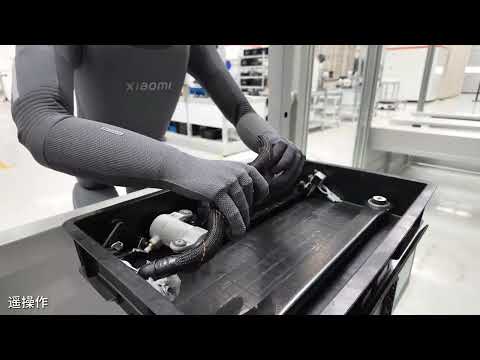
The proof is in the pudding—or, in this instance, the car parts. In automotive assembly trials, CyberOne achieved a 90.2% success rate in fastening nuts within a demanding 76-second cycle, maintaining that level of precision for over three hours straight.
A Robot With Feeling (And an Open-Source Brain)
To make all that hardware actually useful, Xiaomi has wrapped the hand in 8,200 square millimetres of tactile sensors. This full-palm feedback allows the robot to “feel” its way through a task, an essential skill when its own arm or nearby equipment blocks its line of sight. It’s the difference between fumbling for your keys in the dark and instinctively knowing which one is which.
In a move that’s bound to go down well with the global robotics community, Xiaomi is also sharing its homework. The company has open-sourced its TacRefineNet framework—a tactile-based system designed to improve sim-to-real transfer—along with 61 hours of raw data gathered via tactile gloves. You can check out the project for yourself here: TacRefineNet on GitHub.
This blend of robust, reliable hardware and an open-door approach to software suggests Xiaomi is no longer just playing around. The clumsy, flower-toting bot is a thing of the past, replaced by a machine built for the daily grind. With full-palm sensing and active liquid cooling, we might finally have the missing link needed to move humanoids out of the lab and into 24/7 industrial roles. The era of the feeling, sweating, tireless robotic worker is getting uncomfortably close.