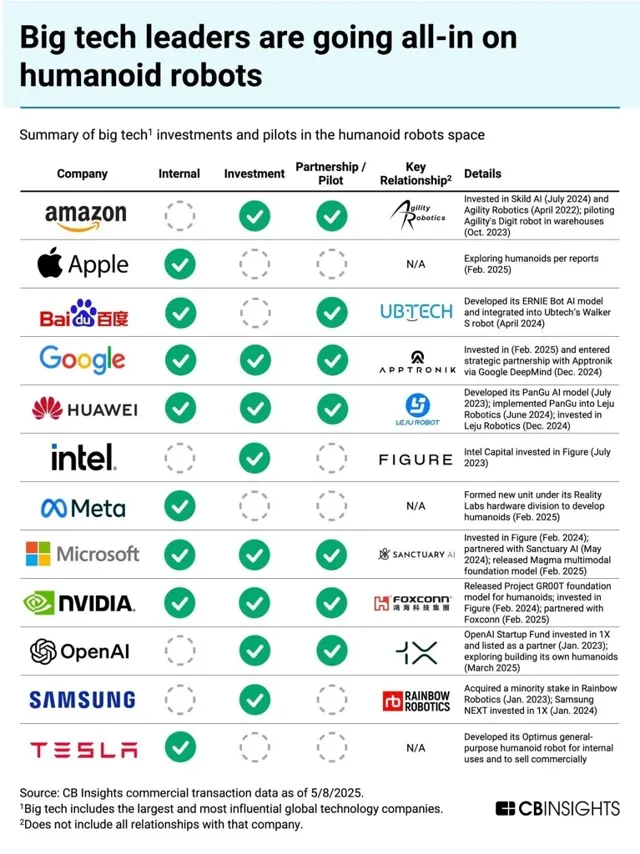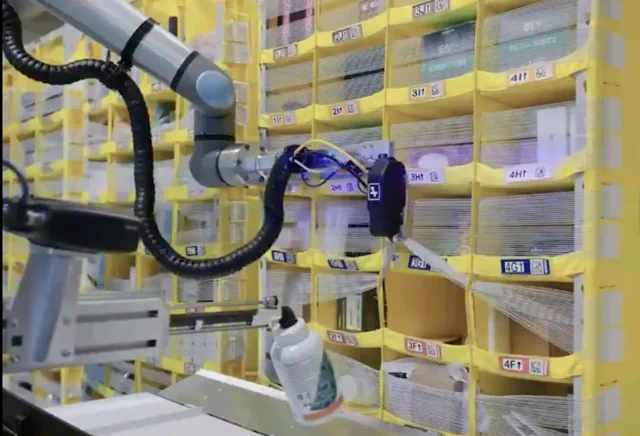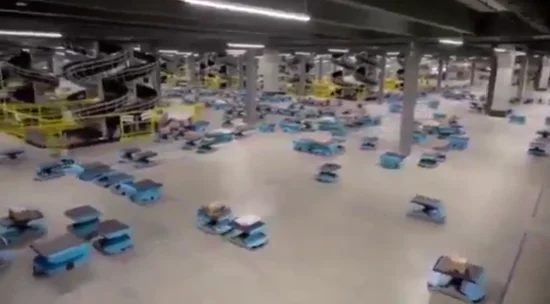
In a revelation that should surprise precisely nobody who’s been paying even a jot of attention, leaked internal documents suggest Amazon is harbouring a rather audacious ambition: to automate a whopping 75% of its warehouse operations and, in doing so, potentially swerve hiring over 600,000 workers by 2033. The documents, first brought to light by The New York Times, lay bare a strategy to “flatten Amazon’s hiring curve” over the next decade, all while the company anticipates its sales will double. This isn’t some far-flung sci-fi fantasy; the e-commerce behemoth already boasts over a million robots whizzing about its facilities.
The grand scheme appears to be less about giving current employees the boot and more about simply not bringing their future colleagues on board, letting good old attrition and the relentless march of automation handle the workforce shrinkage. The documents also let slip a certain… delicate touch regarding public perception. The company has reportedly pondered PR strategies to paint itself as a “good corporate citizen” by getting involved in community events and has even mulled over deploying softer terms like “cobot” or “advanced technology” instead of the rather more alarming “AI” and “automation.” An Amazon spokesperson has, predictably, stated that the leaked documents are “incomplete” and don’t quite reflect the company’s overarching hiring strategy.
Why is this important?
This isn’t just about Amazon saving a few coppers on every package shipped. Oh no. This is a colossal, real-world litmus test for the future of labour in the dazzling age of AI and robotics. As the U.S.’s second-largest private employer, Amazon’s automation playbook will inevitably be aped by its competitors, accelerating a truly seismic shift in logistics and blue-collar graft. The very jobs often lambasted for being physically demanding are, perhaps ironically, the first in line for the automation treatment, creating a classic “be careful what you wish for” scenario. While Amazon chirps on about this freeing up humans for more skilled roles, like keeping those pesky robots in tip-top condition, the sheer scale of the potential displacement raises some rather thorny questions about whether enough of those new, higher-skilled jobs can actually be conjured up. And, naturally, it all hinges on the utterly flawless execution of their tech – one decent AWS outage could bring the entire robotic workforce to a grinding, rather embarrassing halt.