In a scenario that sounds suspiciously like a stress test for a sci-fi blockbuster prop, GENISOMAI has unleashed its quadruped robot to strut its stuff in the utterly brutal -20°C climate of the Daqing oilfield training base. The mission? Not just to see if it could brave the Arctic chill, but to tackle critical oilfield safety drills, navigating tight spots and treacherous terrain that would make seasoned human first responders think twice and then some. This, dear reader, is less about “human-robot synergy” and more about politely asking the machine to do the jobs humans wisely, and quite frankly, sanely, want to avoid.
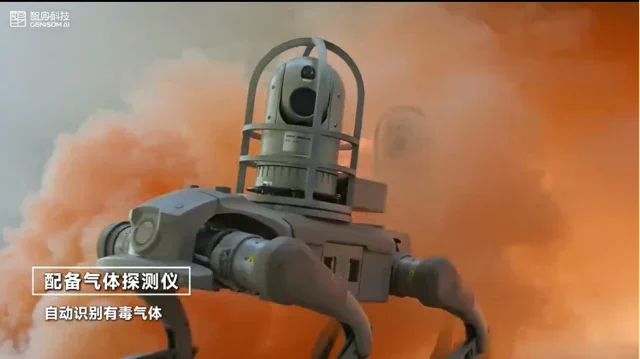
Decked out for a bit of organised mayhem, the robot comes sporting a dual-light gimbal and a veritable arsenal of gas detectors, allowing it to sniff out those dodgy toxic leaks and pinpoint hotspots in a flash. It beams crystal-clear, high-definition footage straight back to the command centre, offering operators a smashing view of the disaster zone without risking a single human hair. And for the grand, fire-fighting finale, its quick-connect hose means it can perform precision fire suppression, effectively transforming this metal canine into a highly mobile, remote-controlled fire hydrant – a truly brilliant bit of kit.
Why is this important?
This isn’t just another robot dog showing off a new party trick. Deploying these advanced quadruped robots in hazardous environments like oilfields marks a truly crucial step in risk mitigation for the energy sector. These machines act as expendable vanguards, bravely venturing into unstable or toxic areas to provide real-time situational awareness before any human team is even considered for deployment. By handling initial reconnaissance and even preliminary fire suppression, these ruggedised robots can dramatically slash response times and, more crucially, chip away at the utterly unacceptable risk to human life in what remains one of the world’s most dangerous professions.