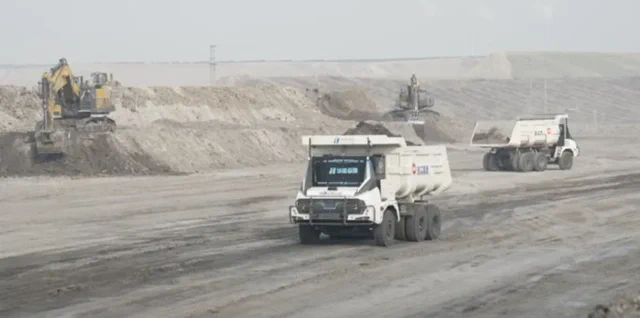
Huawei and the state-backed China Huaneng Group have just given the green light – or perhaps, the very large, very dirty green light – to a colossal fleet of 100 autonomous mining trucks at the Yimin open-pit coal mine in Inner Mongolia. And let’s be clear, this isn’t some shy, tentative pilot scheme; oh no, this is the world’s largest operational fleet of its kind. We’re talking about cabin-less, all-electric behemoths, saddled with the rather glamorous task of hauling 90-metric-ton loads of coal around the clock, come rain, shine, or temperatures that would make a polar bear shiver at –40°C.
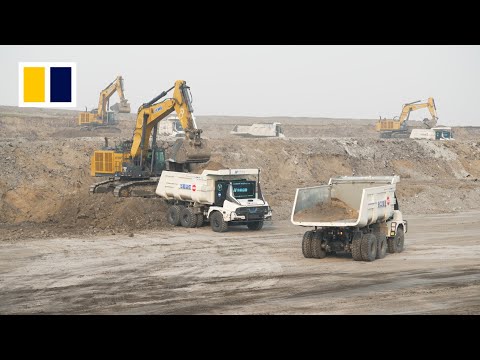
The technological gubbins underpinning this whole colossal endeavour is a full-stack autonomous driving system, juiced up by Huawei’s cutting-edge 5G-Advanced network and their rather snappily named Commercial Vehicle Autonomous Driving Cloud Service (CVADCS). A company bod, no doubt with a wry smile, pointed out that an open-pit mine is essentially a “closed campus” – which, let’s be honest, makes it a significantly less mind-bending puzzle to crack than the glorious, unpredictable chaos of city traffic. The entire shebang is orchestrated by Huawei’s dedicated MineHarmony industrial operating system, a specialised IoT platform crafted to bring all those disparate heavy machinery protocols into line and ensure data flows smoother than a freshly polished conveyor belt.
This initial 100-truck deployment is, rather astonishingly, just phase one of a grander scheme, with plans already afoot to swell the ranks to 300 vehicles at this single mine. And if you thought that was a bit of a jaw-dropper, let’s zoom out for the bigger picture: the China National Coal Association reckons a nationwide armada of over 5,000 automated mining trucks will be rolling by the close of this year. That’s a figure expected to rocket to a whopping 10,000 by 2026. So, no, this isn’t just a quaint little experiment; it’s a full-throttle industrial revolution, powered by very large, and undoubtedly very grubby, wheels.
Why is this important?
While Western tech often seems rather chuffed with itself for getting a robot to deliver a lukewarm burrito – bless its little metallic heart – China is busy deploying autonomous technology on a truly colossal scale, right in the heart of its gritty, utterly essential industries. This move isn’t just a bit of clever engineering; it’s a proper gauntlet-throw to established heavy-equipment titans like Caterpillar and Komatsu, by neatly pairing a domestic tech giant with a state-owned enterprise. It’s a pragmatic, some might say brute-force, application of AI and autonomy, squarely aimed at supercharging efficiency by a claimed 20% over their human counterparts. And, perhaps even more crucially, it’s about whisking humans away from one of the planet’s most treacherous workplaces. So, while we might be dreaming of friendly humanoid companions, the real future of industrial automation could very well be a tireless, self-driving fleet of trucks that, blessedly, never once moan about the British weather.