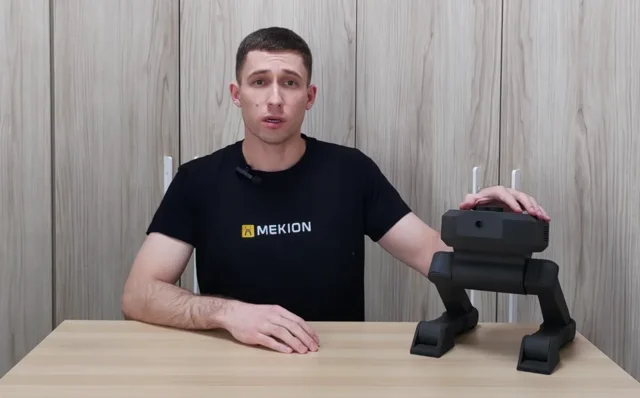
In the notoriously wallet-busting world of bipedal robotics, a new project is taking a refreshingly different stride. Mekion has just pulled a rabbit out of the hat with the Bimo Project, an open-source bipedal robotics kit sporting a frankly jaw-droppingly accessible price tag of $500. The project, which started life as a quest to churn out affordable pet bots, has since performed a rather neat pirouette towards a far grander ambition: to dish out an accessible research and development platform for anyone with a hankering for legged locomotion.
The Bimo kit is entirely 3D-printable and rocks up with a complete reinforcement learning pipeline, pre-configured and ready to rumble with NVIDIA Isaac Lab. This brilliant bit of kit lets users teach their digital doppelgängers how to strut their stuff in simulation, then plonk those fancy walking gaits straight onto the physical robot with nary a tweak. It’s what the cool kids call ‘sim-to-real transfer’, and it’s absolutely crucial in today’s robot playground. The whole shebang, from the nitty-gritty CAD files to the slick Python API, is sitting pretty on GitHub, practically begging a community of developers and makers to get stuck in and build upon this smashing platform.

Why is this important?
For what feels like eons, the glitzy world of advanced bipedal robotics has been the exclusive stomping ground of heavily funded corporate behemoths and ivory-tower university research groups. The eye-watering price tags on hardware and the brain-bending complexity of the software have built a veritable Great Wall of China, keeping out all but the most well-heeled. The Bimo Project, however, has decided to give that wall a good old-fashioned battering ram, drastically lowering the cost of admission to this exclusive club.
By dishing out not just hardware that won’t require you to sell a kidney, but also a sophisticated, ready-to-rock simulation and training environment, Mekion is essentially throwing open the doors to cutting-edge robotics R&D for the masses. This isn’t about going head-to-head with the latest Atlas from Boston Dynamics – let’s be realistic, that’s a whole other kettle of fish. No, this is about empowering thousands of bright-eyed students, keen hobbyists, and dedicated researchers with the essential kit to truly get their heads around, tinker with, and genuinely contribute to the unfolding saga of robotics. It’s a brilliantly pragmatic, community-focused approach that could well spark a brand-new wave of innovation, bubbling up from the grassroots.