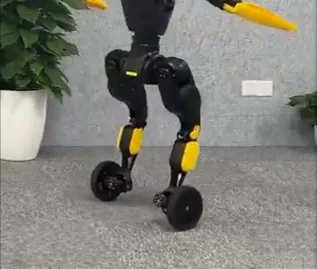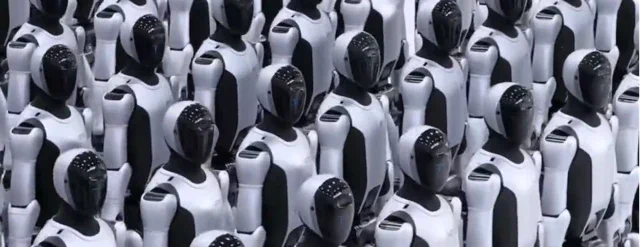
Aviation titan Airbus is the latest industry heavyweight to draft humanoid robots onto the shop floor, inking a deal for a fleet of UBTECH Robotics Corp.’s Walker S2 industrial robots. These bipedal machines are headed for the front lines of aircraft assembly, marking a pivotal moment for the commercial rollout of humanoids in high-stakes, precision manufacturing.
This move follows closely behind a similar deployment by silicon stalwart Texas Instruments, which is already putting the Walker S2 through its paces on its own production lines. UBTECH is clearly building a formidable roster of industrial partners, with its sights now firmly set on the automotive, 3C electronics, and logistics sectors. The scale-up is well underway: the company reportedly bagged over 1.4 billion RMB (roughly £155 million) in orders during 2025, having celebrated its 1,000th Walker S2 rolling off the line last December.
Why does this matter?
For years, humanoid robots have been long on flashy tech demos but stubbornly short on actual employment. These deals with Airbus and Texas Instruments signal a genuine shift from lab-grown curiosities to practical, blue-collar assets. UBTECH’s plan to churn out 10,000 units this year is a bold wager that the market is finally ready for bipedal colleagues.
The standout feature? It’s likely not the walking, but the sheer utility; the Walker S2’s ability to autonomously swap its own battery suggests a laser focus on minimising downtime—a metric every plant manager lives by. The robot revolution won’t be televised; it’ll be quietly clocked in on the assembly line.