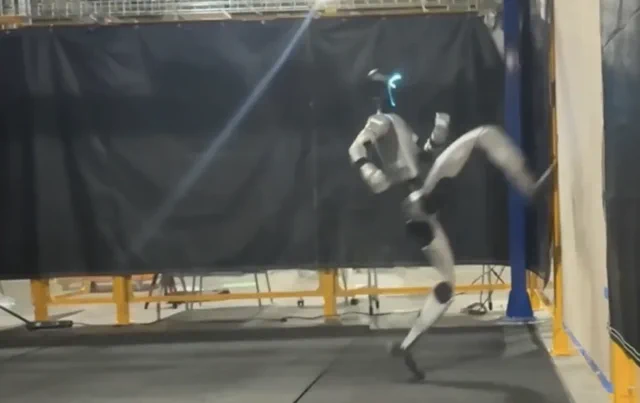
In a move set to spark a frenzy across robotics labs and ambitious garden-shed tinkerers alike, Asimov Inc. has gone full “open book” with the design of its bipedal locomotion system, the Asimov Legs. The firm has uploaded the entire suite of mechanical CAD files, actuator specifications, and simulation models to GitHub, effectively providing the community with a high-spec blueprint for building a pair of sophisticated robotic limbs.
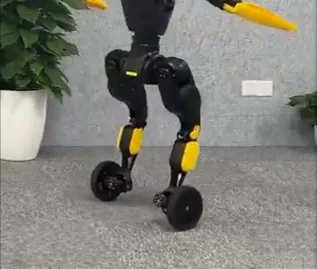
The design boasts a solid six degrees of freedom (6-DOF) per leg, featuring an RSU ankle architecture and passive toe joints to mimic a more natural gait. Crucially, the whole rig is engineered to be constructed using off-the-shelf components and parts produced via Multi Jet Fusion (MJF) 3D printing. This puts it squarely within the reach of well-funded research institutions and agile startups. The open-source bundle includes STEP files for the mechanical bits and XML files for simulation in the MuJoCo physics engine—the gold standard for such work.
Why does this matter?
Constructing a functional bipedal robot is a prohibitively expensive and dauntingly complex endeavour, with hardware development usually acting as the ultimate gatekeeper. By releasing a fully validated leg design under a permissive CERN-OHL-S-2.0 licence, Asimov is letting researchers skip the most gruelling stages of the hardware slog. This allows teams to divert their precious time and budgets toward the real brain-teasers: software, control systems, and AI. While you won’t be assembling a rival to Tesla’s Optimus in a single weekend, Asimov has just given the entire sector a massive leg up. Your move, everyone else.