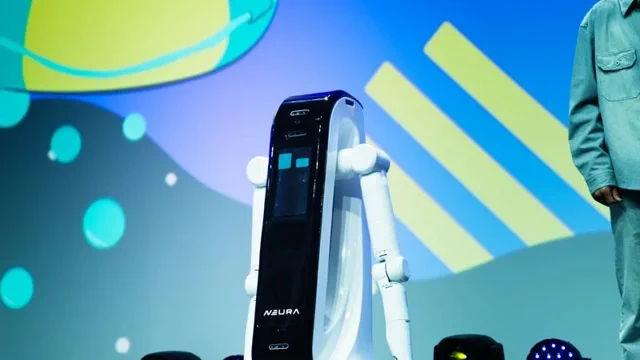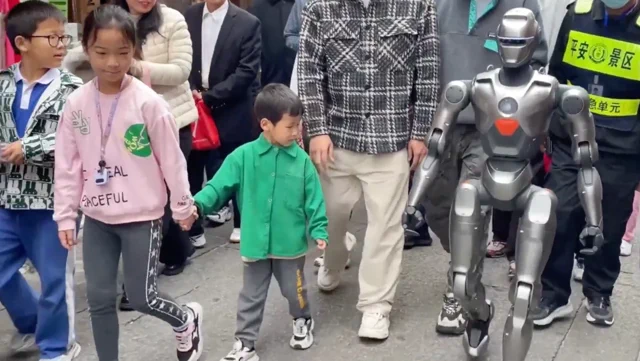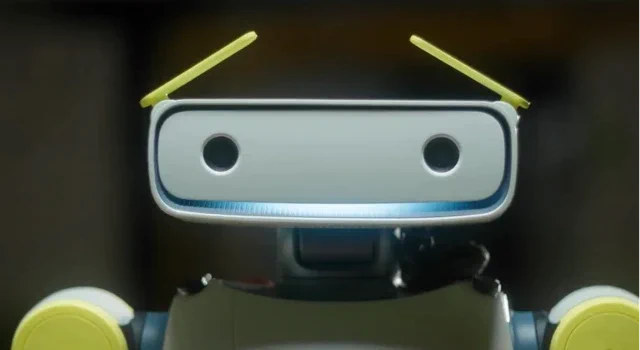
Just when you thought the robotics industry was exclusively obsessed with backflipping metal giants and warehouse domination, a New York-based startup has broken cover with a decidedly more charming proposition. Fauna Robotics stepped into the limelight on Tuesday, unveiling Sprout: a humanoid platform designed not for industrial grunt work, but for navigating the delicate complexities of shared human spaces. Standing at a modest 3ft 6in (107 cm) and tipping the scales at 22.7kg, Sprout is less RoboCop and more Short Circuit, according to its creators.
The firm is now shipping a “Creator Edition” of Sprout to developers, researchers, and commercial partners, with a clear mandate: to provide a blank canvas for the next wave of “embodied AI” applications. Forget the factory floor; Fauna is setting its sights on the high street, the hospitality sector, and even our living rooms. The technical specs are punchy for a bot of this stature, featuring an NVIDIA Jetson AGX Orin “brain”, 29 degrees of freedom—including a pair of surprisingly expressive eyebrows—and a three-and-a-half-hour runtime supported by swappable batteries.
According to CEO Rob Cochran, the mission is to build robots that people might actually grow to love, rather than just tolerate. It’s a philosophy that seems to be gaining traction; early adopters reportedly include the likes of Disney and, in a delicious twist of irony, fellow robotics pioneer Boston Dynamics. “Seeing their robot for the first time really lets you see the future a little bit,” remarked Marc Theermann, Boston Dynamics’ chief strategy officer.
Why does this matter?
While the likes of Tesla and Figure AI are locked in an arms race for the industrial labour market, Fauna Robotics is making a savvy, contrarian bet on social and developmental platforms. By creating an accessible, safety-first humanoid, Fauna is lowering the barrier to entry for developers keen to experiment with human-robot interaction in everyday settings. Sprout isn’t meant to replace a worker on an assembly line; instead, it provides the tools for hundreds of developers to figure out what robots should actually do when they’re around us. This could be the key to unlocking genuine breakthroughs in education, elder care, and entertainment—sectors where larger, more intimidating machines simply wouldn’t be welcome.