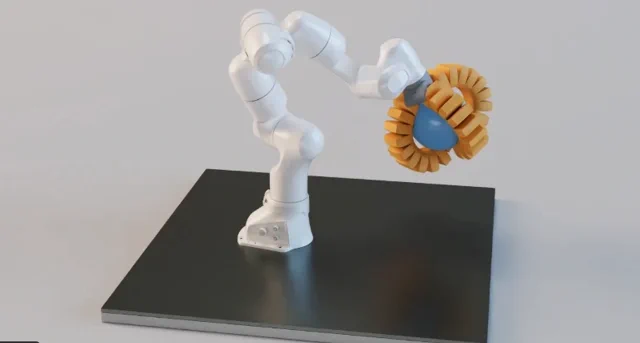
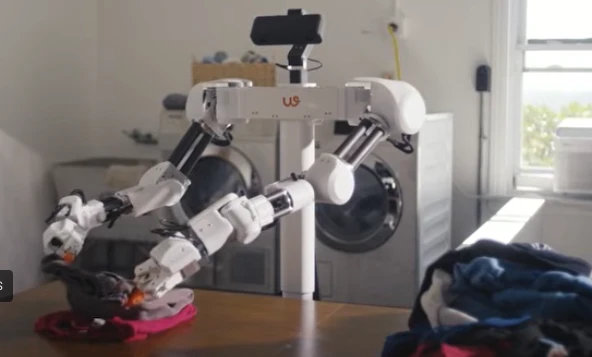
Hungarian robotics outfit Allonic has just pocketed a staggering $7.2 million in pre-seed funding—a figure the company and its backers claim is the largest of its kind in the country’s history. The round, led by Visionaries Club with participation from Day One Capital, is aimed at cracking a problem that has been a thorn in the side of advanced robotics for years: the sheer, soul-crushing difficulty of actually building these complex machines at scale.
According to CEO Benedek Tasi, the team initially set out to research biomimetic robots but quickly realised that assembling them from hundreds of fiddly, minute parts was a one-way ticket to manufacturing hell. Their solution is a novel platform dubbed 3D Tissue Braiding. It essentially automates the weaving of a robot’s “tissues”—tendons, joints, and load-bearing structures—directly over a skeletal core in one continuous, fluid process. This method allows sensors and wiring to be integrated directly into the body, collapsing a messy supply chain and a tedious assembly line into a single, automated masterstroke.
Why does this matter?
While flashy AI models and humanoid demos tend to hog the headlines, the unglamorous reality is that manufacturing remains the biggest hurdle to the robot revolution. Most advanced robots are still practically hand-built, making them eye-wateringly expensive and impossible to churn out in serious numbers. Allonic is betting $7.2 million that by rethinking production from the ground up—focusing on the how rather than just the what—they can create the foundational tech needed to finally scale things up. If they can successfully swap manual assembly for automated weaving, they won’t just be building robots; they’ll be building the machine that builds the machine, and that is a much bigger deal.