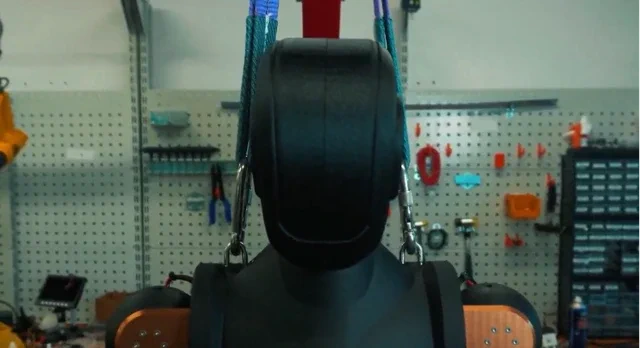
In the increasingly frantic arms race of humanoid robotics, startup Asimov Inc. has just thrown a rather literal curveball into the mix: a see-through skull and a pledge to give away the family silver for free. Taking to X, the firm revealed it is nearing completion of the full-body assembly for its namesake robot, and is currently trialling head designs featuring a transparent dome. The idea? To let bystanders “see the agent’s emotional state through expressions inside.”
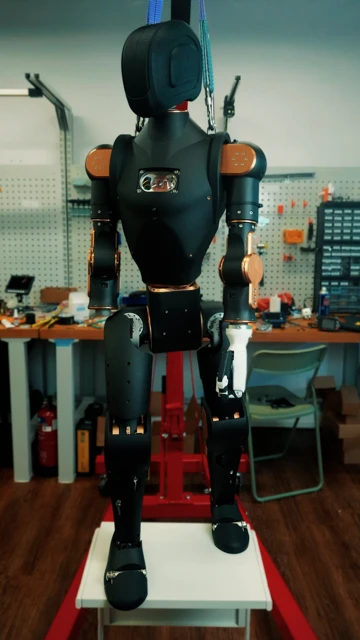
The update featured a snap of the nearly finished bot—a sharp, black-and-copper number that looks like it’s itching to step off its assembly rack. This reveal marks the next stage in Asimov’s radical mission to develop its entire humanoid platform in the public eye. Having already released the blueprints for its bipedal legs, the company is aiming to foster a complete open-source ecosystem, spanning hardware, a bespoke “Asimov OS”, and a decentralised supply chain. The end goal is to empower anyone to build their own unit for under £19,000 ($25,000) using off-the-shelf components and 3D-printed parts.
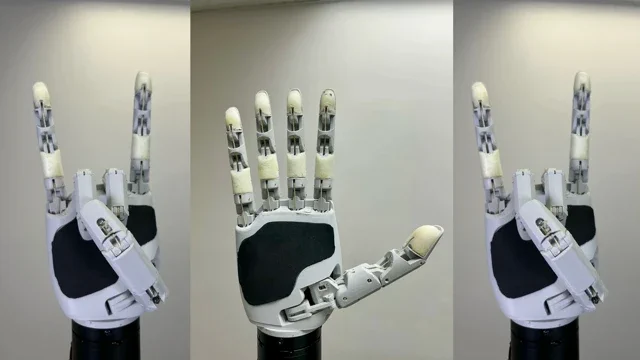
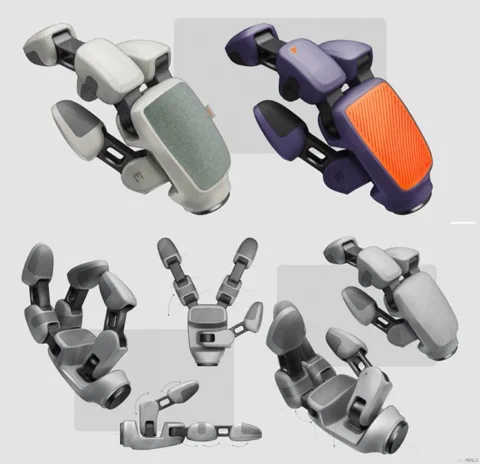
Asimov also teased some concept art for the robot’s mitts, showcasing various three- and four-fingered designs built for serious dexterity. It’s a make-or-break area of development; if humanoids are to be of any use in environments built for people, they need to be able to handle the small stuff.
Why does this matter?
While the likes of Boston Dynamics, Figure AI, and Tesla are busy guarding their IP like the Crown Jewels, Asimov is betting the farm on the open-source playbook that built the modern software world. By making its designs public, the company could galvanise a global community of tinkerers and researchers, potentially accelerating innovation far beyond what a single, secretive corporate lab can manage. It’s a strategy that has already proven its mettle with the Robot Operating System (ROS), which has become the industry standard.
The transparent head is more than just a sci-fi aesthetic; it’s a direct attempt to crack the AI “black box” problem. As robots become more autonomous, understanding their “thought process” is vital for building public trust. Providing a visual cue for the AI’s internal state—whether it’s processing a command, feeling “confused”, or ready to go—is a novel take on human-robot interaction. It’s a feature that will either be hailed as a stroke of genius or a one-way ticket to the uncanny valley. Either way, in a market forecast to be worth billions, Asimov’s “glass-box” strategy is a bold move that the rest of the industry simply cannot ignore.