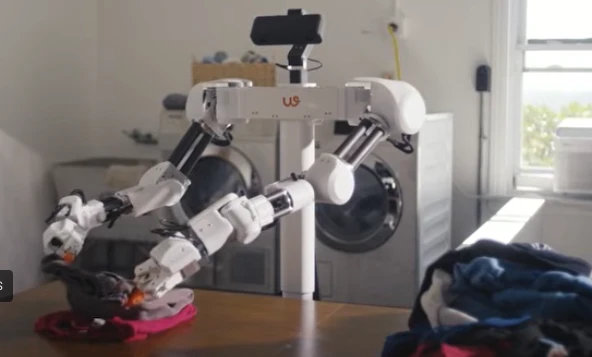
For the eye-watering sum of $7,999 (roughly £6,300), you can finally outsource the mind-numbing drudgery of the laundry basket to a machine. San Francisco-based startup Weave Robotics has begun shipping its debut commercial offering, the Isaac 0, a stationary robot that promises to turn your pile of clean washing into a neatly folded stack. There is, however, a rather human-sized catch: it isn’t quite the autonomous miracle it first appears to be.
The Isaac 0 can rattle through a full load in 30 to 90 minutes, tackling everything from tees and hoodies to trousers and towels. But don’t expect it to handle the heavy lifting; it draws the line at duvet covers, large blankets, or anything left inside-out. The real “magic” under the bonnet is a pragmatic blend of AI and old-fashioned human intervention. When the robot finds itself in a muddle, a remote human “pilot” takes the wheel for a “5-10 second correction” before handing control back to the algorithms. Weave Robotics insists the system will sharpen up via weekly updates, theoretically weaning itself off these remote chaperones over time.
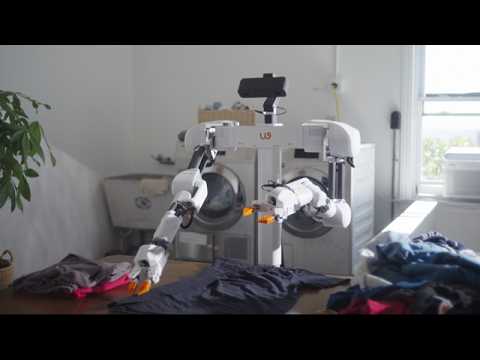
For now, the robot is a strictly local affair, available only to residents in the San Francisco Bay Area. That hefty price tag includes a two-year warranty and priority delivery. For those who can’t justify the upfront cost of a small hatchback just to avoid folding socks, there’s a subscription model available for $450 (around £350) per month.
Why does this matter?
The Isaac 0 offers a fascinating, if prohibitively expensive, look at the messy reality of home robotics. Rather than waiting for the “Holy Grail” of a perfect, fully autonomous butler, Weave Robotics is gambling that early adopters will pay a premium for a system that is mostly automated today. This “human-in-the-loop” strategy is a clever workaround for one of the most notoriously difficult hurdles in robotics: the manipulation of soft, unpredictable objects like a pair of jeans. It is a candid admission that while the dream of a chore-free home is alive, the technology isn’t quite there yet. Whether anyone outside the Silicon Valley bubble is prepared to pay the price of a decent used car to avoid folding their smalls remains the $8,000 question.