In a move that effectively tells the rest of the robotics industry to ‘hold my charging cable’, Chinese EV powerhouse XPeng, Inc. has announced plans to break ground on a dedicated humanoid robot factory in the first quarter of 2026. The company isn’t just dipping its toes into the water; it’s planning a full-on sprint from a muddy plot in Guangzhou to full-scale mass production by the end of that same year. Yes, you read that correctly: from groundbreaking to the first units rolling off the line in roughly nine months—a timeline that feels aggressively optimistic even by the most frantic tech standards.
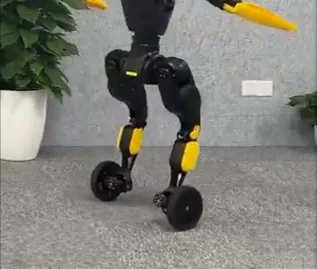
This isn’t merely another assembly line. XPeng’s robotics division, XPENG Robotics, envisions a ‘full-chain’ facility that integrates every stage of the lifecycle, from R&D and manufacturing to sales and aftercare. The 110,000-square-metre base is designed to smash through what XPeng identifies as the industry’s primary bottlenecks: a chronic shortage of training data and the formidable barriers to mass production. The ultimate goal is to start pumping out its IRON humanoid robot—a bipedal machine standing 5ft 10in (178 cm) tall with impressively dexterous hands—targeted at industrial clients and, eventually, your own living room.
Why does this matter?
Because we are seeing another automotive titan throw its significant manufacturing weight behind the humanoid dream, and the proposed timeline is either visionary or sheer madness. While the likes of Tesla continue to iterate on the Optimus bot with ambitious but somewhat nebulous production targets, XPeng is pinning a firm—and frankly startling—date to the calendar. By leveraging its existing automotive supply chain and expertise in high-volume manufacturing, XPeng hopes to bypass the ‘production hell’ that usually swallows hardware startups whole. Whether they can actually conjure a factory and a mass-market humanoid robot from thin air in under a year is the multi-billion-pound question, but you certainly can’t knock them for a lack of ambition.