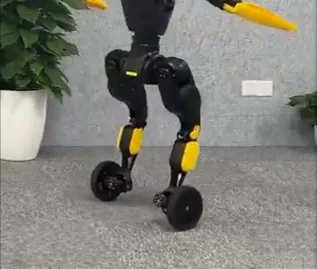
In a plot twist that feels ripped straight from a high-concept sci-fi thriller, crypto capital is making a massive leap into the physical realm. German humanoid heavyweight Neura Robotics is reportedly closing in on a colossal €1 billion (approximately £830 million) funding round, with a backer that is certainly raising eyebrows: Tether Holdings SA, the powerhouse behind the world’s most dominant stablecoin. Should the deal cross the finish line, it would catapult Neura’s valuation to roughly €4 billion (£3.3 billion), firmly planting it in the top tier of the white-hot humanoid robotics market.
This isn’t just a speculative punt on a few shiny prototypes. Unlike many of its venture-backed rivals, Neura Robotics already boasts a solid roster of industrial heavyweights like Kawasaki Heavy Industries Ltd. and Omron Corp., with an order book reportedly nudging the $1 billion mark. This fresh injection of capital is earmarked for accelerating Neura’s “Cognitive Robotics” roadmap—a mission to build machines that don’t just move, but perceive, hear, and learn from their surroundings via multimodal AI. The company is weaving this intelligence into an expansive ecosystem platform it calls the “Neuraverse”.
The move marks the latest chapter in Tether’s aggressive “frontier tech” spending spree. The stablecoin giant has been busy diversifying its eye-watering cash reserves into AI, data startups, and even brain-computer interfaces. This isn’t their first rodeo in the sector either, having previously backed the Italian robotics outfit Generative Bionics.
Why does this matter?
Tether’s foray into robotics is more than just a curious investment; it’s a flashing siren for a massive shift in where the world’s “smart money” is heading. Over the past twelve months, venture capital has been pouring into Embodied AI at a staggering rate. With Nine-figure rounds becoming the norm for firms like Figure AI and Apptronik, the narrative is shifting: the next great AI frontier won’t be confined to browser tabs and chatbots. It’s going to have legs, and it’ll be the one building your next car… or, more likely, finally figuring out how to assemble that flat-pack wardrobe without any leftover screws. The boundary between digital assets and physical automation is dissolving, and it seems the revolution is being bankrolled by the blockchain.