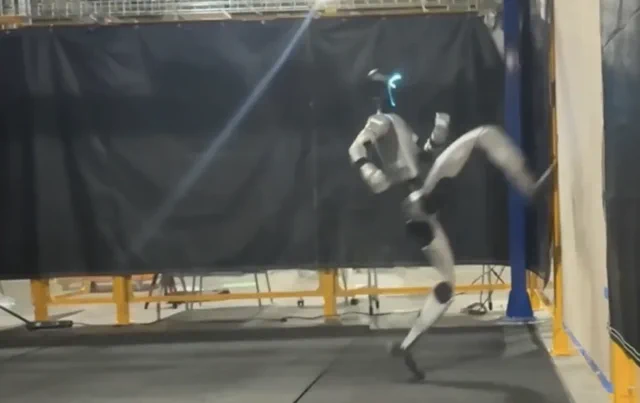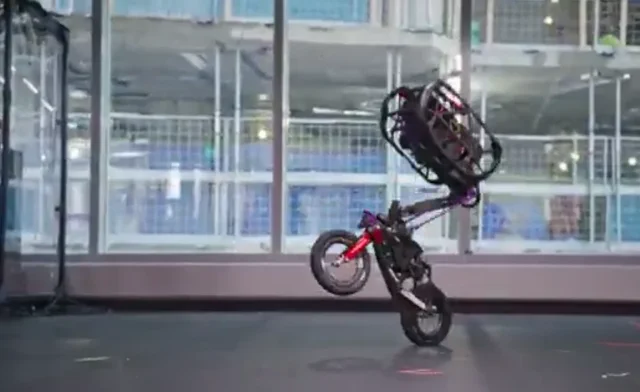
While software-based AI is busy acing medical exams and churning out Shakespearean sonnets, its physical counterparts are still struggling to navigate a doorway without having a bit of a wobble. A refreshingly frank post by Diego Prats of Haptic Labs has shone a light on the “pain points” currently plaguing physical AI research, serving as a blunt reminder that building robots for the real world is a properly messy, complicated business.
The crux of the issue, as Prats explains, is the massive chasm between virtual training and physical reality. This “simulation-to-reality” (or sim2real) gap is a notorious headache for roboticists. A policy that looks flawless in a clean, predictable simulator often falls apart the moment it encounters the chaotic friction of the real world. Simulators simply struggle to replicate the nitty-gritty details of physics, sensor noise, and material properties. The result? A robot that can gracefully stack blocks in a virtual sandbox might end up flailing like a startled octopus when faced with a real-life object.
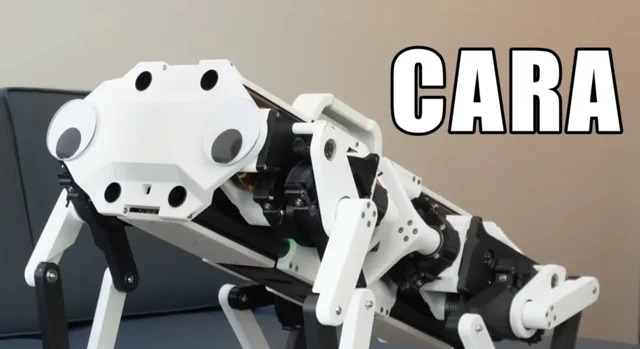
Prats also highlights a frustrating lack of hardware standardisation. Research teams are often working with bespoke, one-off robots, making it a nightmare to replicate or compare results across different labs. It’s a fragmented ecosystem where almost every new project has to reinvent the wheel—or, more accurately, the actuator and the sensor suite. Furthermore, the sheer cost and time required to gather high-quality, real-world data is a massive bottleneck. Unlike LLMs, which can scrape the entire internet for text, robots have to get their hands dirty, generating data through slow, expensive, and often failure-prone physical interactions.
Why does this matter?
These “pain points” aren’t just academic grumbles; they are the primary hurdles standing in the way of truly autonomous, general-purpose robots. Bridging the sim2real gap is essential if we want to train robots safely and efficiently without trashing expensive hardware in the process. Likewise, establishing hardware standards could kick innovation into high gear, allowing researchers to build on each other’s work rather than starting from scratch every time. Ultimately, as Prats’s article makes clear, the road to capable physical AI isn’t just about bigger models—it’s about tackling the gritty, fundamental challenges of existing in a physical world. For a deeper dive, you can check out the original post on the Haptic Labs blog.