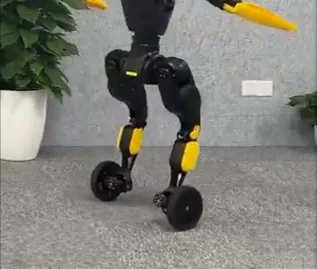
In a move that feels less like a standard product launch and more like a tactical manoeuvre, Sunnyvale’s Noble Machines, Inc. (formerly Under Control Robotics) has officially stepped out of the shadows. Founded a mere 18 months ago by a “dream team” of engineers from SpaceX, Apple, NASA, and Caltech, the startup hasn’t just released a white paper—it has already shipped and deployed its first humanoid robot to a blue-chip industrial titan. This isn’t your typical “look at our robot doing a backflip” viral fodder; it’s a full-scale industrial debut that bin’s the PR fluff in favour of getting the job done.
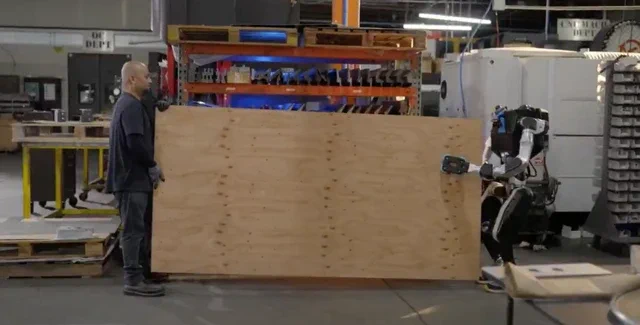
Noble Machines is quite deliberately trading sleek biomimicry for raw, industrial brawn. Their flagship robot is built for what the company describes as the “dull, dirty, dangerous, and declining” roles that humans are increasingly happy to leave behind. The specs are properly impressive: a hefty 27kg payload capacity, a 5-hour battery life built for genuine full-shift reliability, and the grit to navigate chaotic environments like active construction sites—climbing stairs and traversing scaffolding with ease. This machine is clearly more at home on a gritty factory floor than under the bright lights of a press conference.
The robot’s “brain” is powered by what Noble Machines calls “AI-driven whole-body control,” running its end-to-end autonomy on a single NVIDIA Jetson Orin edge AI computer. The company is boasting a 95% sim-to-real success rate for its machine learning models, thanks to a proprietary training pipeline built on the NVIDIA Isaac platform. This allows the robot to pick up new skills from human demonstrations in just a few hours—a turnaround time that would make most traditional automation look positively prehistoric.
Why does this matter?
While the humanoid robotics sector is currently awash with impressive tech demos, the sheer velocity of Noble Machines—from founding to a paid industrial deployment in 18 months—is the real headline here. They’ve achieved in a year and a half what takes many well-funded competitors half a decade: getting a robot out of the lab and into the wild. This “deployment-first” strategy, targeting the unglamorous but vital needs of heavy industry, mining, and energy, suggests a pragmatic and aggressive entry into the market. By prioritising utility over human-like aesthetics, Noble Machines is sending a clear message: the true test of a humanoid isn’t how well it walks, but how much work it can actually shift.