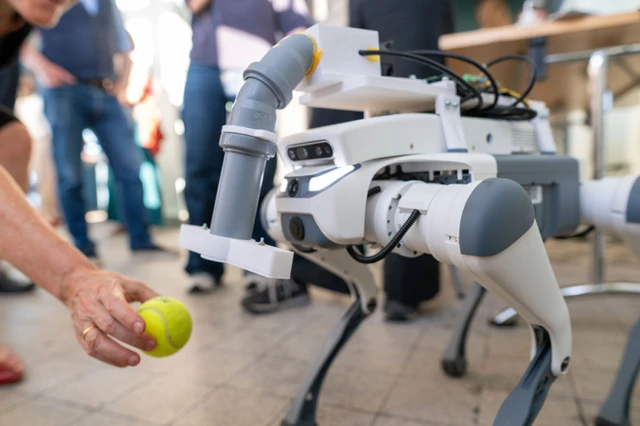
German defence AI heavyweight Helsing has decided its code is getting a bit lonely in the cloud. The firm, best known for its Centaur AI co-pilot that helps Saab’s Gripen fighter jets stay ahead of the pack, has officially stepped into the physical realm. Meet the RX-1: a beefy, four-legged robot engineered for speed and resilience in the kind of brutal outdoor environments that would wreck your average gadget. This robotic hound is the debut project from Area 9, Helsing’s shiny new advanced research wing, which feels very much like Europe’s answer to Lockheed’s Skunk Works or Google’s “Moonshot” factory.
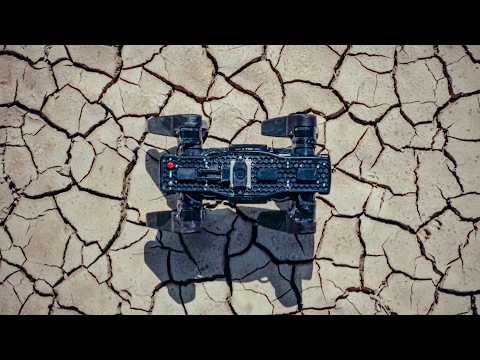
The RX-1, which looks every bit the military-grade machine you’d expect, is being touted as a “sovereign European alternative” to platforms built across the pond or further east. In a pointed nod to tech independence, Helsing’s Chief Scientist, Antoine Bordes, stressed that the RX-1 is “designed in Europe and manufactured in Europe, including crucial components such as our in-house designed actuators.” In other words, they aren’t just bolting together off-the-shelf parts; they’re building the muscle as well as the brain.
For the time being, the RX-1 is a research platform rather than a front-line soldier. Helsing is shipping the first units to top-tier academic labs to kickstart research into the messy intersection of AI and autonomous hardware. The initial partners are two of Europe’s heavy hitters in the robotics world: Professor Marco Hutter’s lab at ETH Zürich and France’s national research institute, Inria. Hutter described the RX-1 as an “advanced, European-developed hardware platform enabling exciting field robotics research.”
Why should we care?
Helsing’s pivot from pure software to vertically integrated hardware is a massive strategic play. The company isn’t just churning out another robot dog; it’s building a full-stack robotics ecosystem with a sharp geopolitical edge. By creating a “sovereign” platform, Helsing is tackling Europe’s nagging reliance on foreign tech in sensitive defence sectors head-on. The end goal, according to the company, is to master autonomous systems that can navigate “unpredictable terrain—like, say, a debris-laden battlefield,” where sending a human is out of the question. The RX-1 is the first physical step towards giving Helsing’s AI brains a body of their own making.