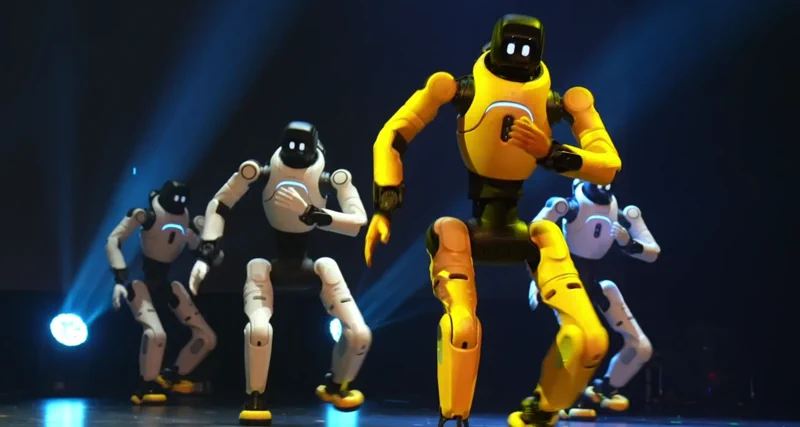
In a move that sits at the intersection of high-stakes industrial ambition and cold-blooded geopolitical chess, Serbia has officially cut the ribbon on what the government claims is Europe’s first mass-production facility for humanoid robots. Nestled in the city of Sabac, the plant is a joint venture between the Chinese automotive heavyweight Minth Group and the fast-rising robotics outfit AGIBOT. The goal? To eventually churn out a staggering 20,000 humanoid robots and robotic dogs every single year.
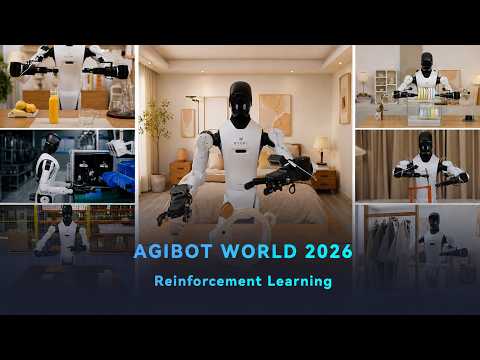
The project is hitting the ground running with an initial €20 million (approx. £16.7m) investment in the Sabac site, serving as a precursor to a much more ambitious €200 million Robotics Industrial Park slated for the city of Indjija. Serbian President Aleksandar Vucic was front and centre for the unveiling, watching on as a robot demonstrated a repertoire ranging from the domestic drudgery of folding laundry to the refined precision of Chinese calligraphy. Vucic confirmed that the immediate target is to assemble upwards of 5,000 units annually. These aren’t mere toys, either; AGIBOT’s A2 line of humanoids stands 5ft 9in (175 cm) tall, can hit a brisk walking speed of 7 km/h, and is powered by a 200 TOPS AI compute system.
However, the celebratory atmosphere was punctuated by a rather sobering announcement from President Vucic. He revealed that Serbia has already procured a fleet of quadruped “robo-dogs” and is currently putting them through their paces for military applications, with a live demonstration promised within the next fortnight. “You will see them not only walking, but you will see them using weapons—very serious weapons,” Vucic remarked, leaving little doubt about the dual-use nature of this new Balkan tech hub. The timing is particularly pointed, coming just weeks after the United States slapped a ban on similar Chinese technology over national security concerns.
Why is this a game-changer?
This factory is far more than a simple assembly line; it’s a strategic beachhead. For Serbia—a nation perpetually balancing its EU candidacy with deep-rooted ties to Beijing—it represents a bold leap into the high-tech stratosphere. By positioning itself as a manufacturing hub, Serbia could offer Chinese robotics firms a “Made in Europe” backdoor to circumvent potential Western tariffs.
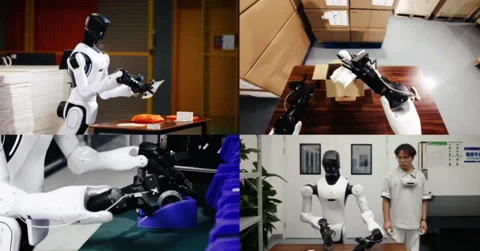
For the wider industry, it marks a pivot from the “look what we can do” phase of R&D to the “how many can we build” reality of mass production. While many Silicon Valley darlings are still perfecting their prototypes in the lab, this facility—bolstered by AGIBOT’s experience in deploying thousands of units across China—could significantly accelerate the arrival of a robotic workforce on European soil. But with the explicit mention of weaponisation, you can bet that Brussels and Washington will be keeping a very close eye on this particular corner of the Balkans.